
Introduction
Studying hard is not the same as studying well. Many learners spend hours re-reading notes and highlighting textbooks, yet still feel unprepared on exam day. The difference between struggling and thriving academically usually isn't effort — it's technique. This guide brings together research-backed strategies from cognitive science, practical time-management systems, and the realities of learning in a digital, distraction-filled world, so you can study smarter, not just longer.
Whether you're in Grade 8 juggling five subjects, a matric student preparing for finals, or an adult learner building new IT skills, the principles below apply. Read the guide in full, or use the section headings to jump to what you need right now.
1. Understand How Learning Actually Works
Before choosing techniques, it helps to understand two ideas from learning science that explain why some study methods work far better than others.
Active Recall
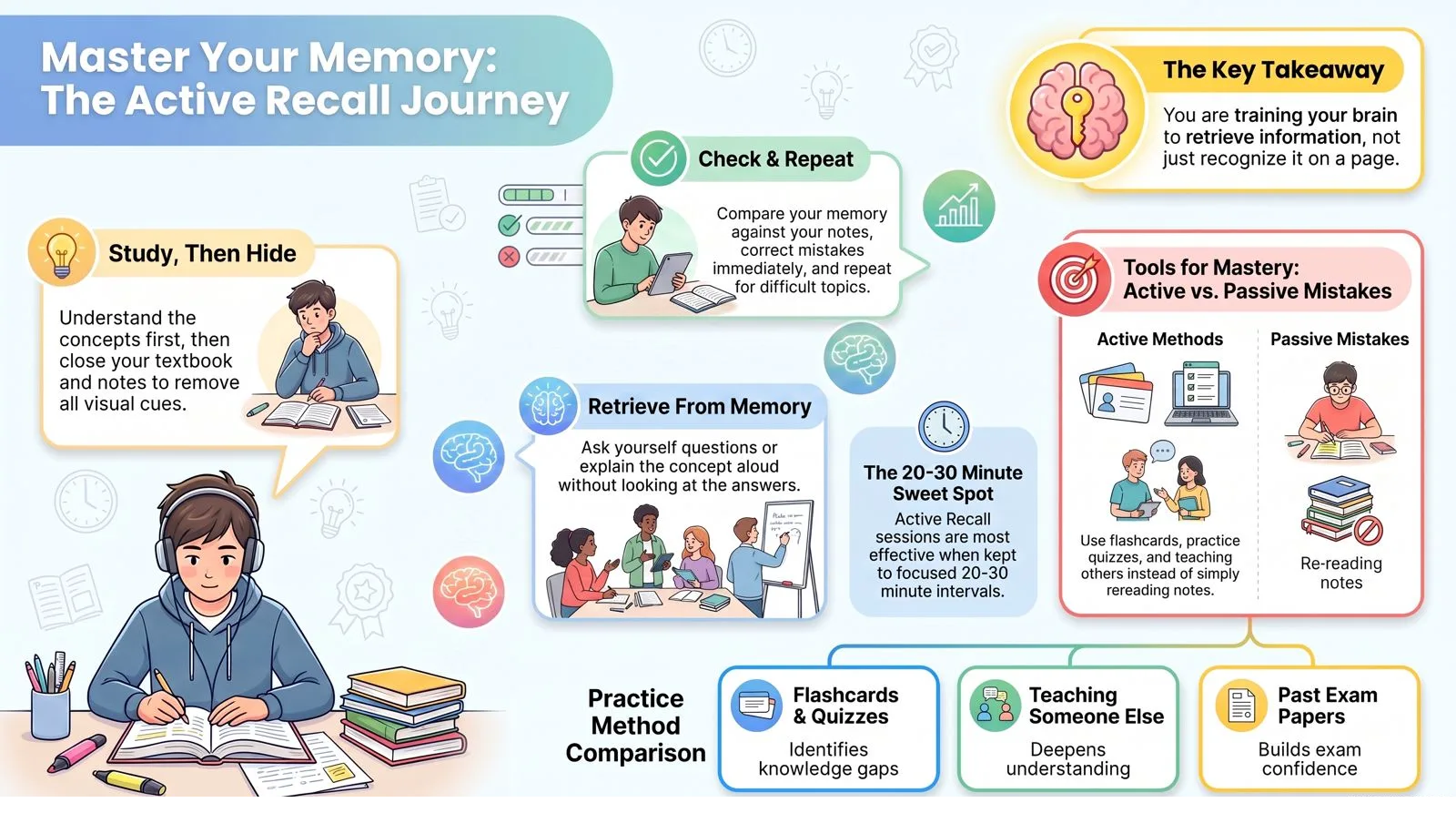
Your brain remembers information better when it has to retrieve it, not just re-read it. Instead of passively reviewing notes, close the book and try to explain the concept, answer a practice question, or write down everything you remember. Struggling to recall something — and then checking the answer — builds a stronger memory than simply re-reading it ever will.
Spaced Repetition
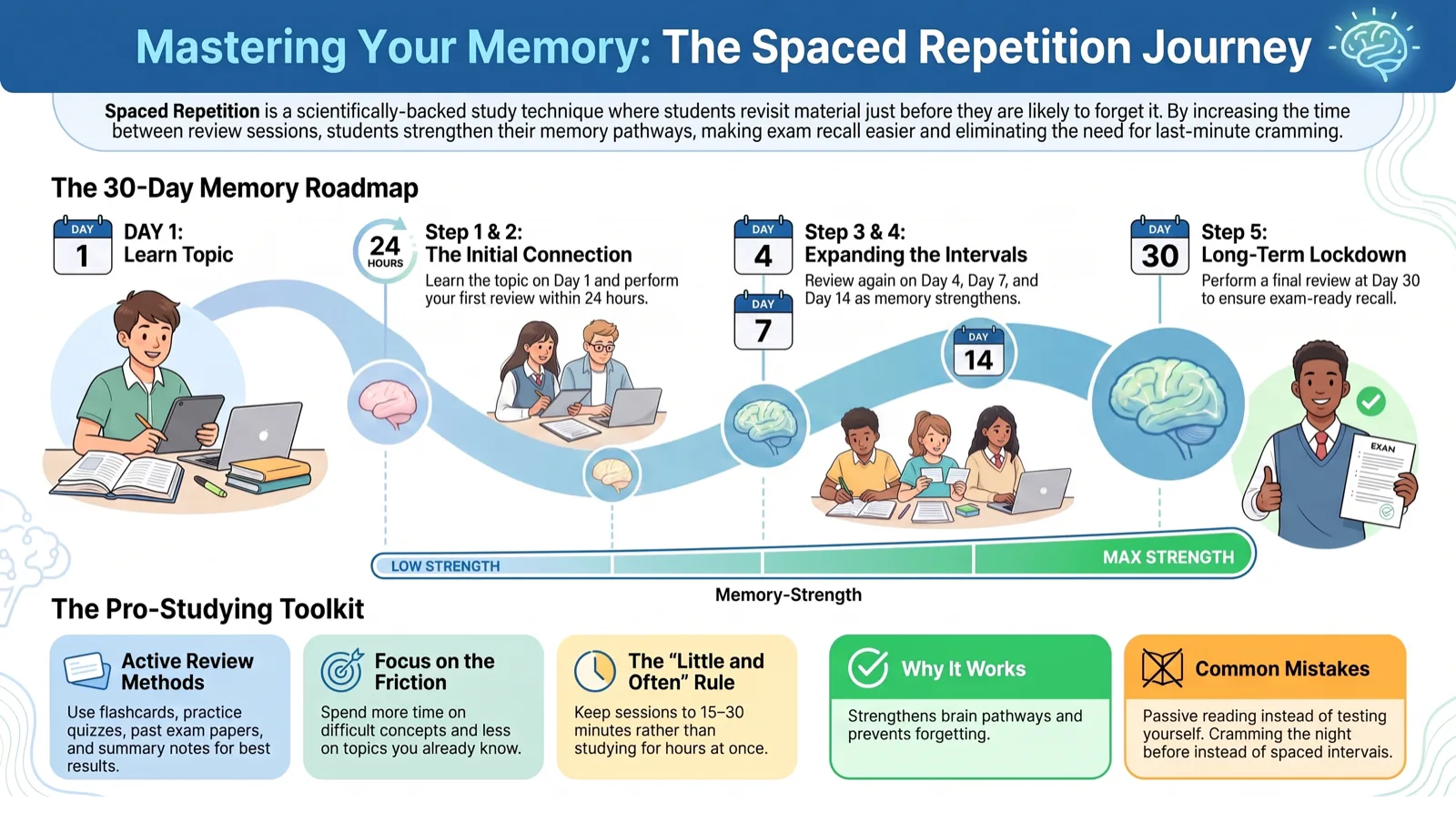
Cramming creates short-term familiarity that fades within days. Spaced repetition means reviewing material at increasing intervals — for example, a day after learning it, then three days later, then a week later. This works with your brain's natural forgetting curve, reinforcing memory right before it would otherwise fade.
Turn your notes into flashcards (paper or an app like Anki or Quizlet) and review a small batch every day rather than one long session before a test.
2. Build a Study System That Fits Your Life
Motivation fluctuates, but a system keeps you moving even on low-energy days. A good study system has three parts: clear goals, a realistic schedule, and a way to track progress.
Set Specific Goals
“Study Maths” is vague and easy to avoid. “Complete 10 algebra practice problems and mark them” is specific, achievable, and satisfying to tick off. Break every subject into small, concrete tasks.
Time-Block Your Week
Rather than studying “when you have time,” schedule fixed blocks in a planner or calendar app, just like a class timetable. Treat these blocks as non-negotiable appointments with yourself.
Use the Pomodoro Technique
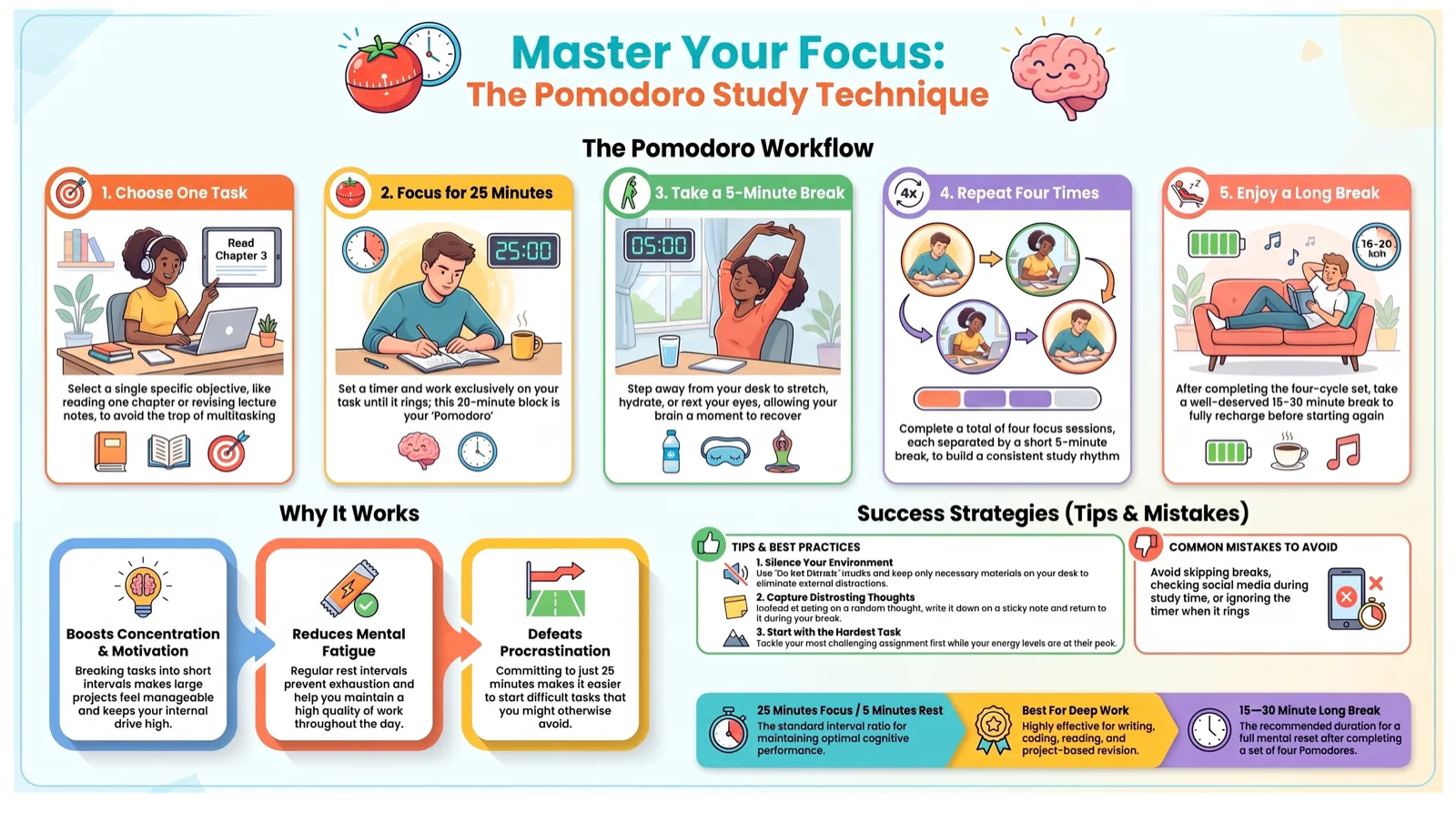
Work in focused sprints — typically 25 minutes — followed by a 5-minute break, with a longer 15 to 30 minute break after four sprints. This keeps concentration sharp and makes large tasks feel manageable. Set a timer on your phone or use a free Pomodoro app.
- 25 minutes of focused, single-task work
- 5-minute break away from your desk
- Repeat 3 to 4 times, then take a longer 15 to 30 minute break
3. Note-Taking Methods That Actually Help
How you take notes shapes how well you understand and remember the material. Choose the method that fits the subject.
The Cornell Method
Divide your page into three sections: a narrow column for keywords or questions, a wide column for notes taken during class or reading, and a summary strip at the bottom. Reviewing later becomes fast because the keyword column acts as a built-in self-test.
Mind Mapping
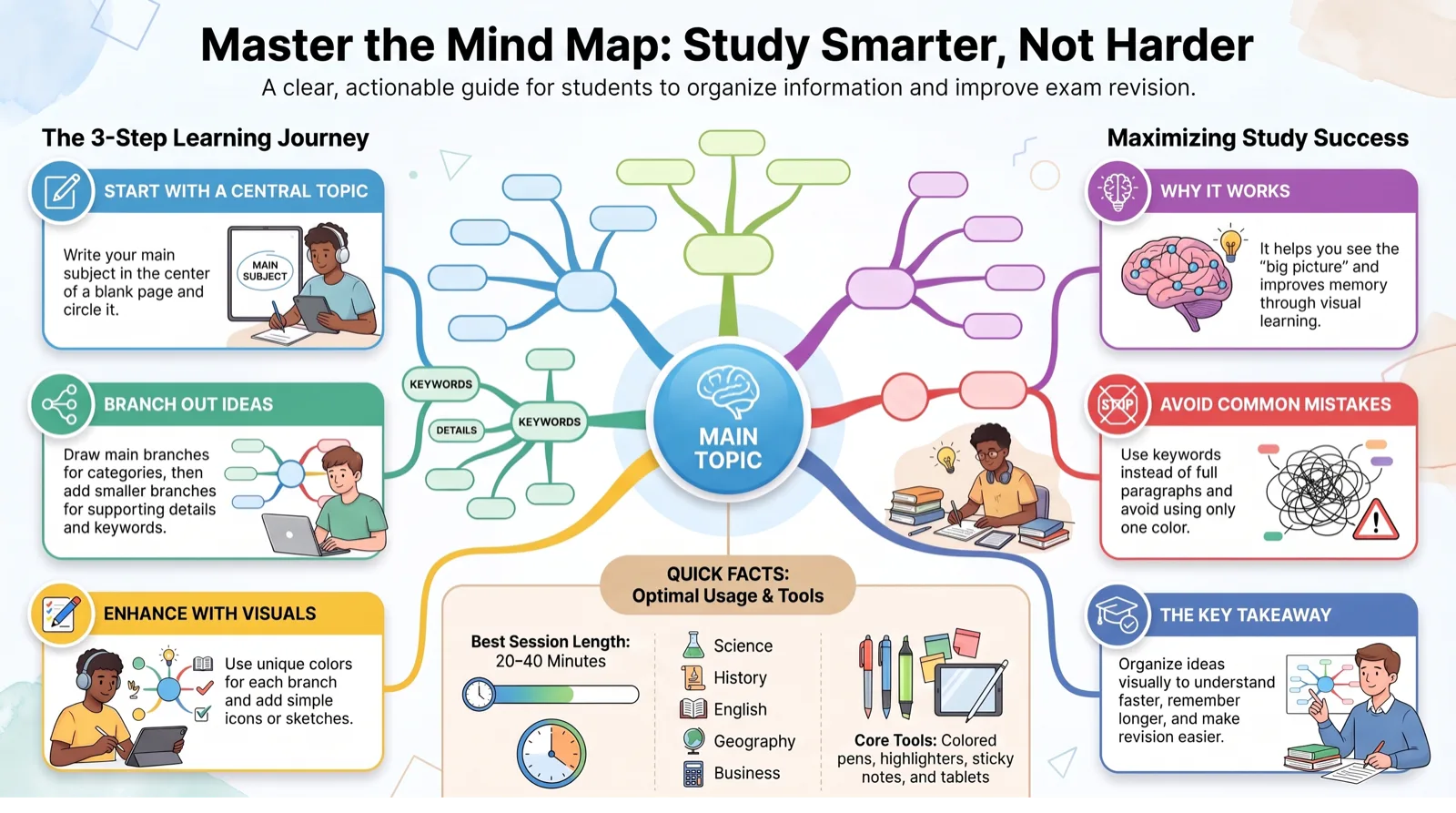
For subjects with interconnected ideas — like Life Sciences, History, or Geography — a mind map starting from a central concept with branching sub-topics helps you see the big picture and how facts relate to each other.
Outlining
For structured, sequential content like Accounting or Mathematics procedures, a numbered outline that mirrors the logical steps of a process is often clearer than prose notes.
Rewrite your notes in your own words within 24 hours of the lesson. This single habit combines active recall with early review.
4. Master Your Study Environment
Where and how you study matters as much as what you study.
Choose a Consistent, Distraction-Free Space
A dedicated study spot — even a corner of a table — trains your brain to switch into focus mode faster. Keep it tidy, well-lit, and reserved primarily for studying rather than relaxing.
Manage Digital Distractions
Phones and social media are the biggest threat to modern focus. Put your phone in another room, use a site blocker during study blocks, or switch on “Do Not Disturb.” If you study on a device, close every tab and app that isn't needed for the task in front of you.
Study at Your Peak Energy Times
Notice when you concentrate best — early morning, after school, or late evening — and protect that time for your hardest subjects. Save lighter tasks like organising notes for lower-energy periods.
5. Use Technology Wisely
Digital tools can accelerate learning when used with intention, but they can also become a source of distraction or a shortcut that skips real understanding.
- Flashcard apps (Anki, Quizlet) automate spaced repetition for you
- Past-paper platforms let you practise under real exam conditions
- Progress-tracking dashboards (like the one in your Mi Digital Academy™ student account) show exactly where to focus next
- AI tools can explain a concept in a different way when you're stuck — but always follow up by testing yourself, not just reading the explanation
The golden rule: use technology to test and reinforce your knowledge, not to replace the effort of thinking it through yourself.
6. Study With Others — The Right Way
Group study can deepen understanding, but only if it's structured. Unfocused group sessions often turn into socialising. Try these approaches instead:
- Take turns teaching each other a topic — explaining something aloud exposes gaps in your own understanding
- Quiz each other using flashcards or past-paper questions
- Compare notes afterward to fill in what you missed
- Keep group sessions time-boxed and goal-focused, e.g. “we're covering Chapter 4 in 45 minutes”
7. Take Care of Your Brain
No study technique can compensate for a brain that's exhausted, hungry, or stressed. Physical wellbeing is part of an effective study system, not separate from it.
Sleep
Memory consolidation — the process of moving information into long-term storage — happens largely during sleep. Pulling an all-nighter before an exam is one of the least effective things you can do; a well-rested brain recalls information far better than a sleep-deprived one.
Movement and Breaks
Short walks or light exercise between study sessions improve focus and mood. Sitting still for hours without a break leads to diminishing returns — your brain needs recovery time just like a muscle does.
Nutrition and Hydration
Steady energy from balanced meals and water supports concentration far better than sugar spikes and energy drinks, which lead to crashes.
8. Preparing for Exams
Practice Under Real Conditions
Past papers are one of the most powerful tools available. Complete them under timed, exam-like conditions, no notes, no phone, to build both knowledge and exam stamina.
Interleave Your Subjects
Rather than studying one subject for days on end, mix related topics or subjects within a study session. This “interleaving” forces your brain to actively choose the right method or fact instead of running on autopilot, which strengthens long-term retention.
Simulate Exam Day
A week before a major exam, do at least one full practice paper at the same time of day as the real exam. This reduces surprises and builds confidence.
After marking a practice paper, don't just note your score — write down exactly why each mistake happened, then revisit that specific gap before your next practice attempt.
9. Staying Motivated for the Long Haul
Motivation is not a constant supply you either have or don't — it's built through small wins and clear reasons.
- Connect study tasks to a bigger goal (a career, a university course, a skill you want)
- Track progress visibly — a checklist or streak calendar makes effort feel real
- Reward yourself after completing focused study blocks, not just after big exams
- Be kind to yourself after an off day — consistency over weeks matters far more than any single session
Quick-Reference Checklist
- Test yourself instead of just re-reading (active recall)
- Review material at spaced intervals, not all at once
- Break study time into focused blocks with real breaks (Pomodoro)
- Rewrite notes in your own words within a day of learning them
- Remove your phone and other digital distractions before you start
- Use apps and dashboards to test knowledge, not replace effort
- Practise past papers under timed, exam-like conditions
- Prioritise sleep, movement, and food — especially before exams
Conclusion
Effective studying is a skill, and like any skill, it improves with the right techniques and consistent practice. Start small: pick one or two strategies from this guide — active recall and a distraction-free study block are a great place to begin — and build from there. Over time, these habits compound into real, lasting academic confidence.
For more structured support, explore your course dashboard on the Mi Digital Academy™ platform for progress tracking, past papers, and expert guidance every step of the way.
